
Alex Peters · 10 September 2026
Global Talent Flocks to Rhineva's Expanding Tech Hub Amid Innovation Push
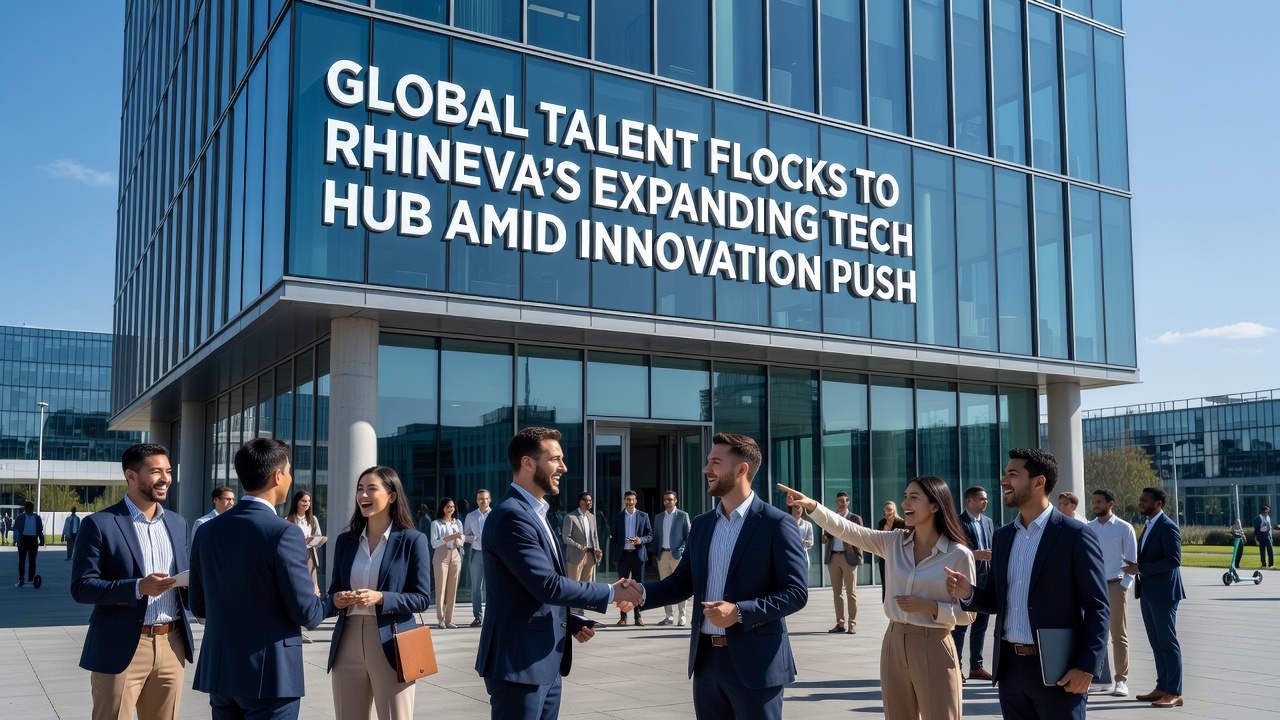
Professionals from multiple continents continue relocating to Rhineva as its technology sector expands through targeted government programs and private investment, with data from regional economic reports indicating a steady rise in skilled worker arrivals since early 2025. The city's infrastructure developments support this influx while companies launch new research facilities focused on artificial intelligence and sustainable computing solutions.
Expansion of Rhineva's Core Tech Infrastructure
Rhineva's designated innovation zone has grown by several square kilometers over the past two years, adding specialized campuses that house startups alongside established firms, and construction crews completed three new data centers in the first half of 2026. Local authorities coordinated with international partners to streamline permitting processes, which reduced approval timelines for tech projects from twelve months to under six in many cases.
Observers note that these upgrades coincide with increased venture funding rounds, where total investments in Rhineva-based companies reached record levels during the second quarter of 2026 according to aggregated industry filings. Companies specializing in quantum encryption and green energy software report hiring surges that outpace those in neighboring regions.
Talent Migration Patterns and Visa Programs
Figures released by Rhineva's economic development agency show that applications for specialized tech residency permits climbed sharply between January and August 2026, with the largest shares coming from applicants in Southeast Asia, North America, and Eastern Europe. A streamlined fast-track option introduced in late 2025 allows qualified engineers and researchers to complete paperwork within forty-five days, which has drawn consistent interest from professionals at mid-career stages.
One research team tracking relocation statistics found that families often cite access to bilingual schools and reliable public transit as secondary factors that influence final decisions, while primary drivers remain competitive salaries and project funding availability. Rhineva's partnerships with universities in Canada and Australia have produced joint degree programs that feed directly into local internship pipelines.
Innovation Initiatives Driving September 2026 Events
Preparations for the September 2026 Rhineva Innovation Summit have accelerated hiring in event logistics and technical demonstration roles, with organizers projecting attendance from over eighty countries based on early registration data. The summit will showcase pilot projects in carbon-neutral chip manufacturing and collaborative robotics, both of which received seed grants from a joint public-private fund established earlier this year.
Research indicates that similar past gatherings generated follow-on contracts worth millions for participating firms, and planners expect comparable outcomes because several large European manufacturers have already committed to on-site procurement discussions. Workshops scheduled during the event will focus on regulatory compliance for cross-border data flows, drawing on frameworks developed by the European Commission and aligned agencies.
Economic Ripple Effects Across the Region
Employment statistics compiled by regional labor offices reveal that tech-related job postings in Rhineva increased by more than thirty percent year-over-year through mid-2026, while adjacent sectors such as logistics and hospitality recorded parallel gains tied to the worker influx. Housing developments near the innovation zone have added thousands of units, many designed with flexible floor plans to accommodate remote-work setups.
Analysts tracking supply chain activity report that local suppliers of specialized components have expanded their own workforces to meet demand from incoming tech tenants, which in turn supports sustained growth in small business formation rates. A study published by an academic consortium based in the Netherlands documented how these multiplier effects extended into vocational training programs that now enroll higher numbers of residents seeking tech-adjacent certifications.
Conclusion
Rhineva's combination of updated facilities, targeted residency pathways, and upcoming September 2026 programming continues to attract global professionals seeking roles in emerging technology fields. Ongoing monitoring by economic agencies shows that these trends rest on measurable investment flows and infrastructure milestones rather than temporary cycles, positioning the hub for further expansion in the years ahead.